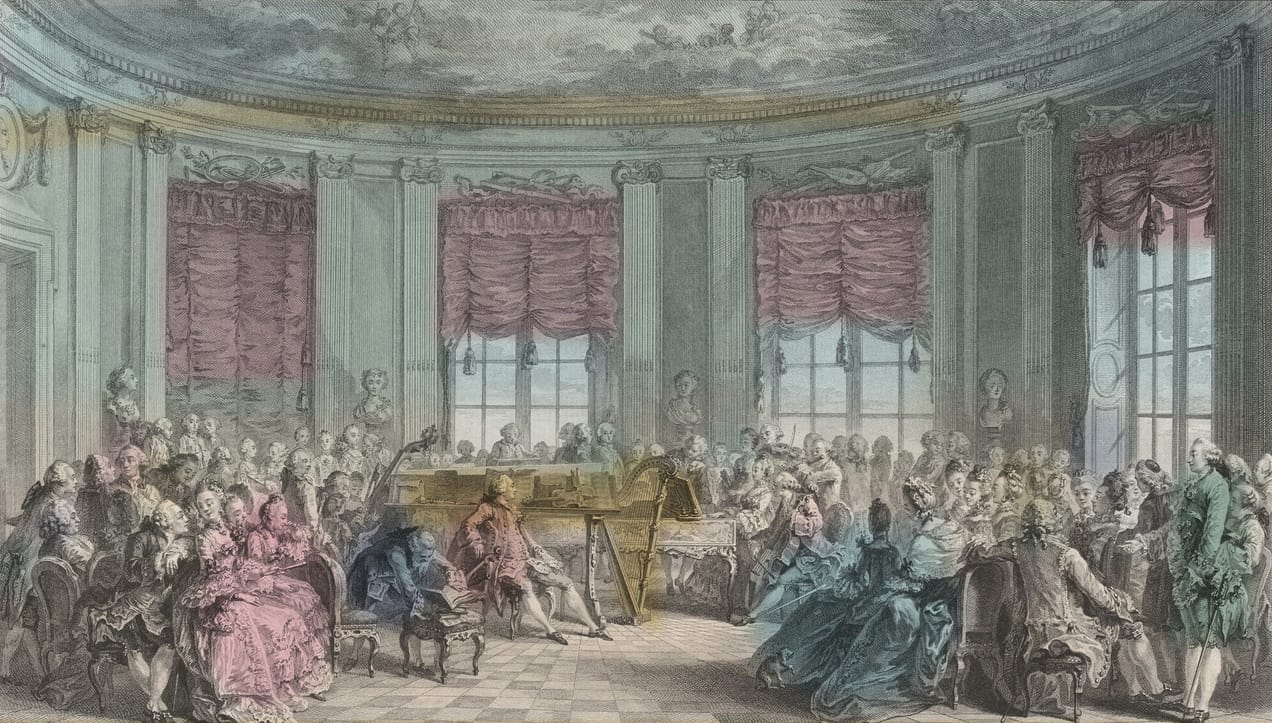
People have always gathered to look for wisdom together.
A salon brings that to your organization.
Inquire about salonsA great fit for
- Leadership summits
- Offsites
- Team building
- Advisory boards
- Executive dinners
Benefits
- Better decisions “It has pushed my understanding of… the fundamental challenges of life and business.”
- Connection “Meaning making through connection.”
- Innovation “You leave each Salon not just with new ideas, but with new ways of thinking.”
- Better thinking “…dramatically improved my critical thinking, and reasoning abilities.”
- Clarity “It helps us… find the questions that we ourselves need to ask.”
- Insight “Some of the most thought-provoking… spaces in my recent professional career.”
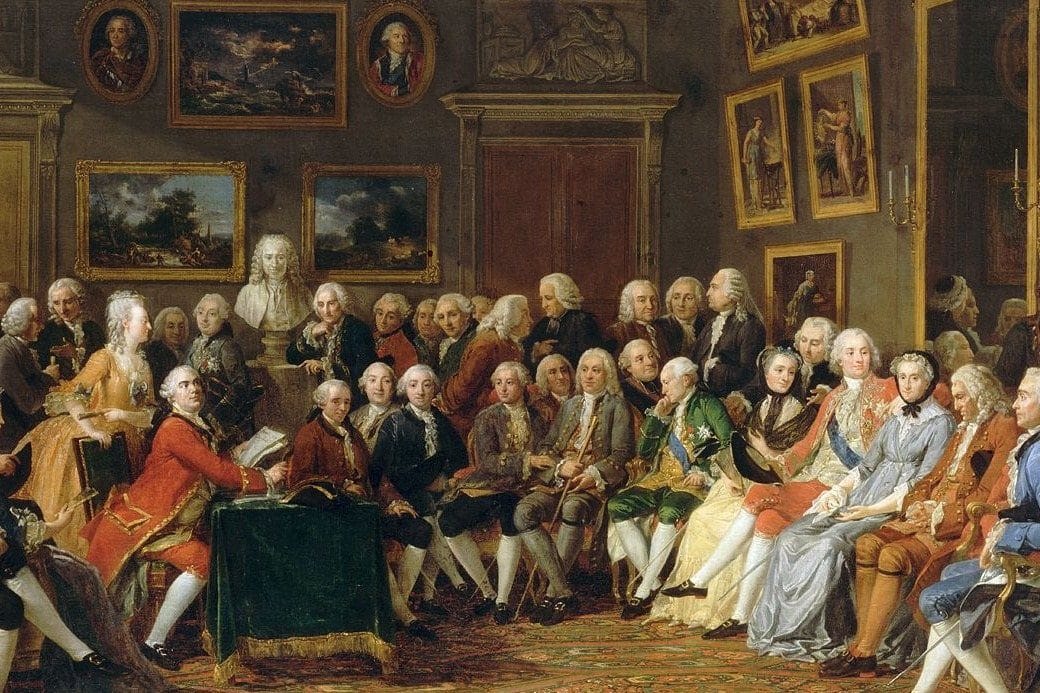
How a salon works
90 minutes · 8–12 people · in person, hybrid or online
A salon is more than just a conversation – it is a philosophically facilitated exercise in thinking together. Each salon begins with what your organization wants to achieve and the questions that matter to your people. I choose a short text tailored to those needs. The innovative method of the salon means nobody has to read it beforehand, but the text still serves as the basis for the conversation.
- Arrive We take the time to arrive, to properly enter the space where we will think together.
- Listen First reading: the text is read aloud by a participant.
- Understand Together, we enter into the mind of the author: what is the text trying to say to us?
- Listen again Second reading: the text is read aloud again.
- Reply When we hear the words again, how do we respond? What do we want to say back?
- Apply How can we take the text and our discussions and our questions into our lives?
Tell me about your gathering.
I’m Pranay Sanklecha, a philosopher, and I’ve been running salons for over twenty years.

“If you’re looking for better answers, come for the peer discussions. If you’re looking for better questions, come for Pranay’s razor sharp ability to question what you thought you knew.”
“Pranay is without a doubt one of the best, most authentic, and deepest teachers of thinking out there.”
“How rare it is to be held fully present with a group of properly curious people humbly feeling their way into big questions.”
“I wish that every busy executive would take the time to participate in something like this.”